
This document sets guidelines for AI assistants in Stanford CS336, defining them as teaching aids rather than solution generators. It prohibits writing code or completing assignments while encouraging dialog-based debugging and concept explanation to preserve student learning.
Highlights
AI agents must function as teaching assistants, focusing on explanation and guidance rather than generating solutions.
Prohibited actions include writing Python/pseudocode, completing TODOs, editing student repos, or implementing core components like transformers or optimizers.
Allowed behaviors involve explaining error messages, pointing to course materials, and suggesting sanity checks or debugging strategies.
The teaching approach emphasizes asking clarifying questions and referencing lecture materials to help students build understanding independently.
The policy aims to preserve the implementation-heavy learning experience of the course by preventing AI from bypassing the coding effort.
Stanford CS336AI EthicsAcademic IntegrityPythonPyTorchLarge Language Models
Discover Similar Content
Related Bookmarks
cs336.stanford.edu
Stanford CS336 | Language Modeling from Scratch
Official course website for Stanford CS336: Language Modeling from Scratch (Spring 2026), including logistics, schedule, assignments, and course mater...
engineering.atspotify.com
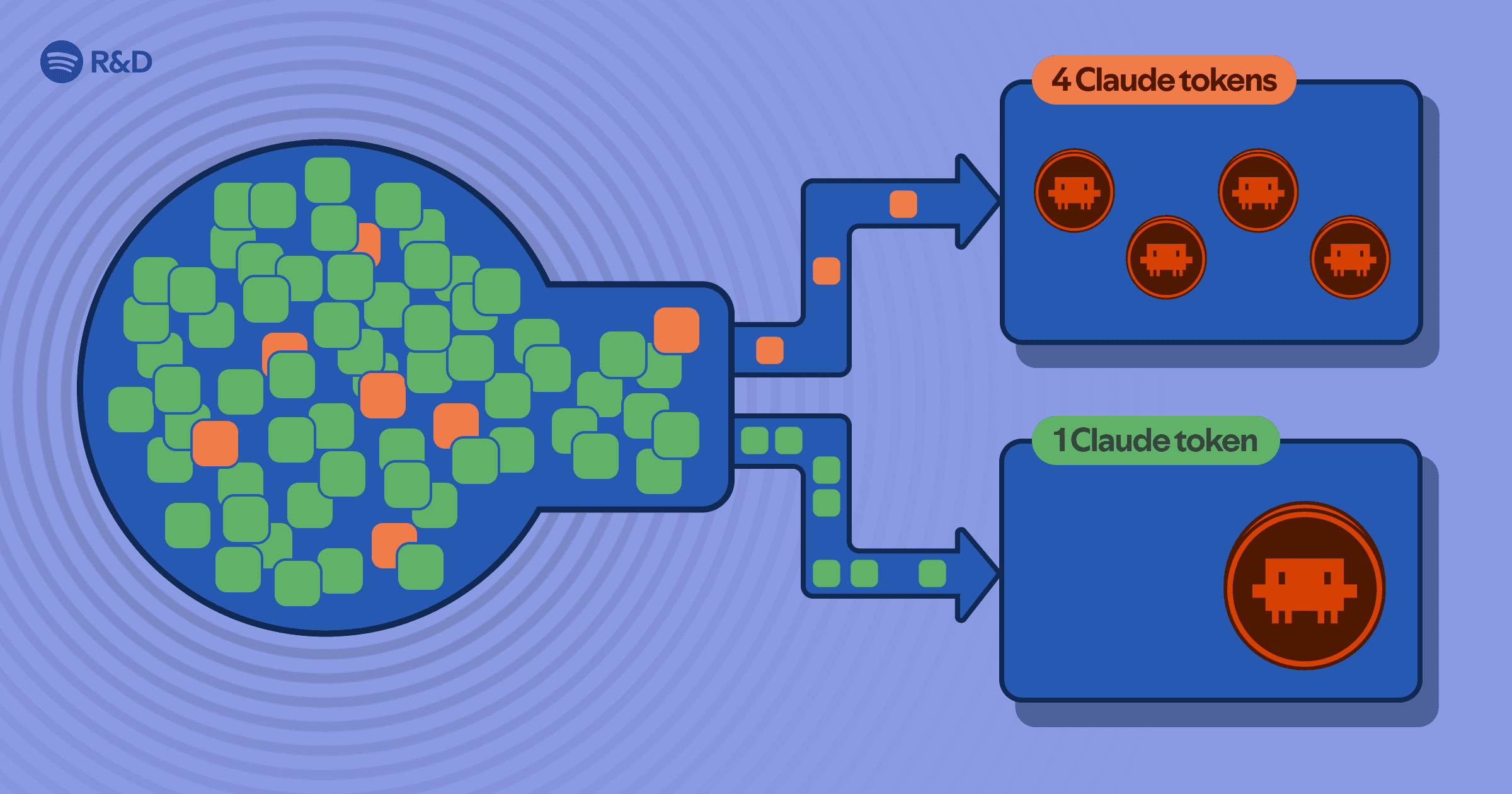
Portal by Spotify cut my Claude Code token usage by 90% | Spotify Engineering
Most of what an AI coding agent does for me isn’t thinking. It’s I/O.
JetBrains’ reasoning-augmented code MoE (12B total / 2.5B active) that emits explicit <think> chains for debugging, planning, and agentic coding
Related Articles
Claude Code Output Styles: Explanatory, Learning, and Custom Options
An implementation guide to Claude Code's /output-style, the built‑in Explanatory and Learning modes (with to-do prompts), and creating reusable custom...