A curated collection of noteworthy tools, articles, and resources from across the web — searchable, organized, and enriched with AI analysis.
Showing 1153-1176 of 1252 bookmarks
All Stories
Transform your AI coding workflow with a beautiful GUI that makes managing Claude sessions, creating custom agents, and tracking usage effortless.
This study explores the neural and behavioral consequences of LLM-assisted essay writing. Participants were divided into three groups: LLM, Search Engine, and Brain-only (no tools). Each completed three sessions under the same condition. In a fourth session, LLM users were reassigned to Brain-only group (LLM-to-Brain), and Brain-only users were reassigned to LLM condition (Brain-to-LLM). A total of 54 participants took part in Sessions 1-3, with 18 completing session 4. We used electroencephalography (EEG) to assess cognitive load during essay writing, and analyzed essays using NLP, as well as scoring essays with the help from human teachers and an AI judge. Across groups, NERs, n-gram patterns, and topic ontology showed within-group homogeneity. EEG revealed significant differences in brain connectivity: Brain-only participants exhibited the strongest, most distributed networks; Search Engine users showed moderate engagement; and LLM users displayed the weakest connectivity. Cognitive activity scaled down in relation to external tool use. In session 4, LLM-to-Brain participants showed reduced alpha and beta connectivity, indicating under-engagement. Brain-to-LLM users exhibited higher memory recall and activation of occipito-parietal and prefrontal areas, similar to Search Engine users. Self-reported ownership of essays was the lowest in the LLM group and the highest in the Brain-only group. LLM users also struggled to accurately quote their own work. While LLMs offer immediate convenience, our findings highlight potential cognitive costs. Over four months, LLM users consistently underperformed at neural, linguistic, and behavioral levels. These results raise concerns about the long-term educational implications of LLM reliance and underscore the need for deeper inquiry into AI’s role in learning.
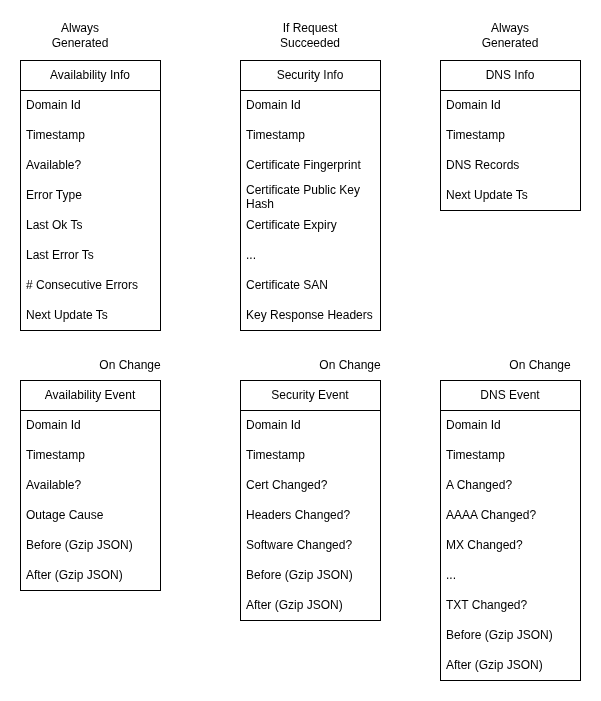
As some of the work planned for Marginalia Search this year has been progressing a bit faster than anticipated, there was time to implement an unplanned change. This post details the implementation of a system for detecting when servers are online, to avoid serving dead links and improve data quality, and for detecting when websites have significant changes including ownership transfers and parking. Table Of Contents Feature Rationale Data Representation Live Data Event Data Change Detection Details Availability Detection Ownership Changes DNS Implementation Hurdles Scheduling Certificate Validation Conclusions Feature Rationale Availability detection is useful not just for filtering out dead links in the search results, but for informing the crawler that it should stop trying to reach a dead domain, as well as a host of other things.
Turn any browser into your terminal & command your agents on the go.
OpenDia is an open alternative to Dia. Connect to your browser with MCP & do anything. - aaronjmars/opendia
Browser MCP is a Model Context Provider (MCP) server that allows AI applications to control your browser - BrowserMCP/mcp
The Command-Line Interface (CLI) provides a powerful interface that lets you engage with OpenHands directly from your terminal.
From 😅 to 🙌 in milliseconds—build a full-stack emoji chat app with Expo + Instant. Real-time, offline, and no backend blues.
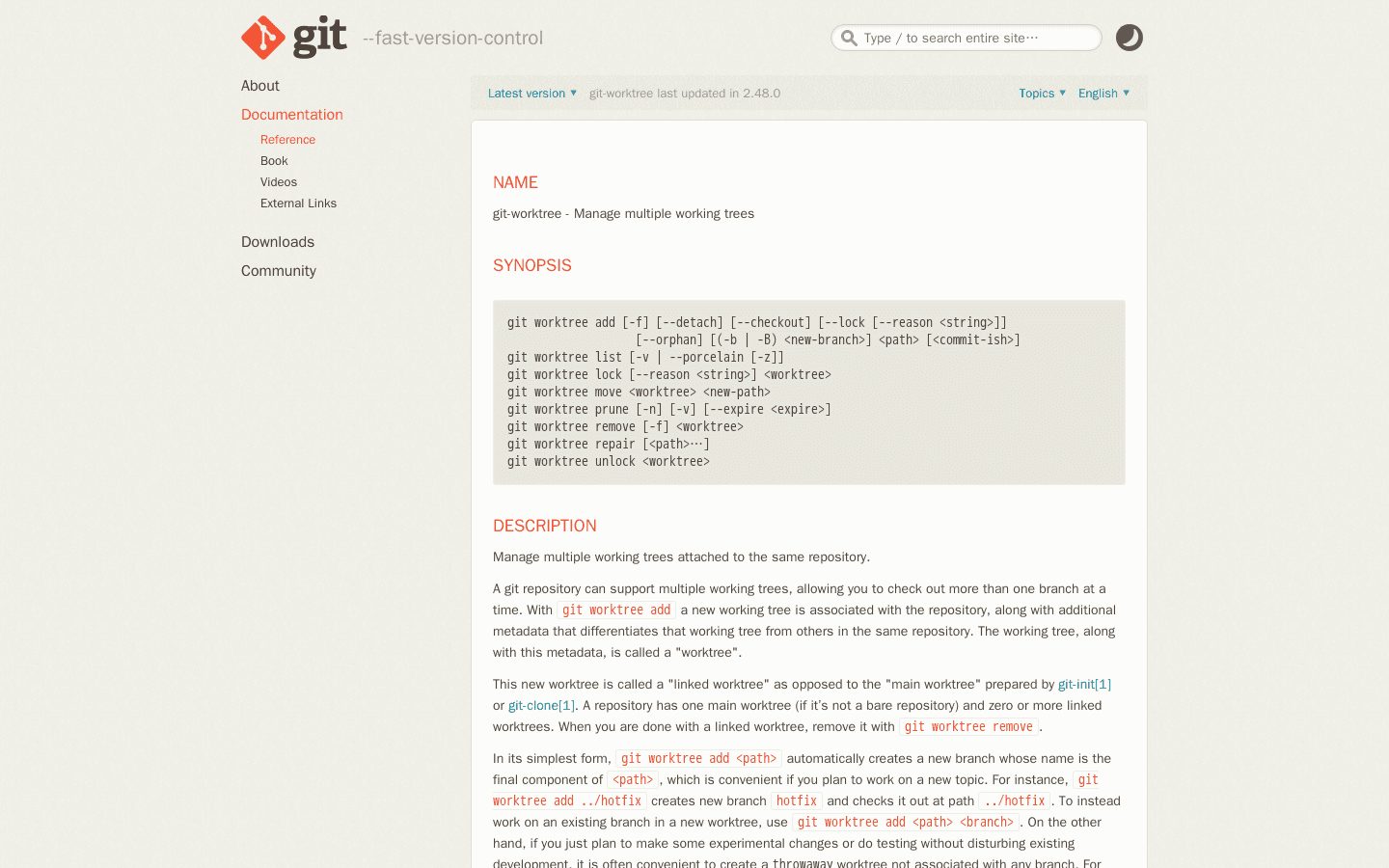
git-worktree - Manage multiple working trees
Easy to build APIs that are end-to-end type-safe and adhere to OpenAPI standards
Say goodbye to slow, clunky containers and VMs. The fast, light, and easy way to run containers and Linux. Develop at lightspeed with our Docker Desktop alternative.
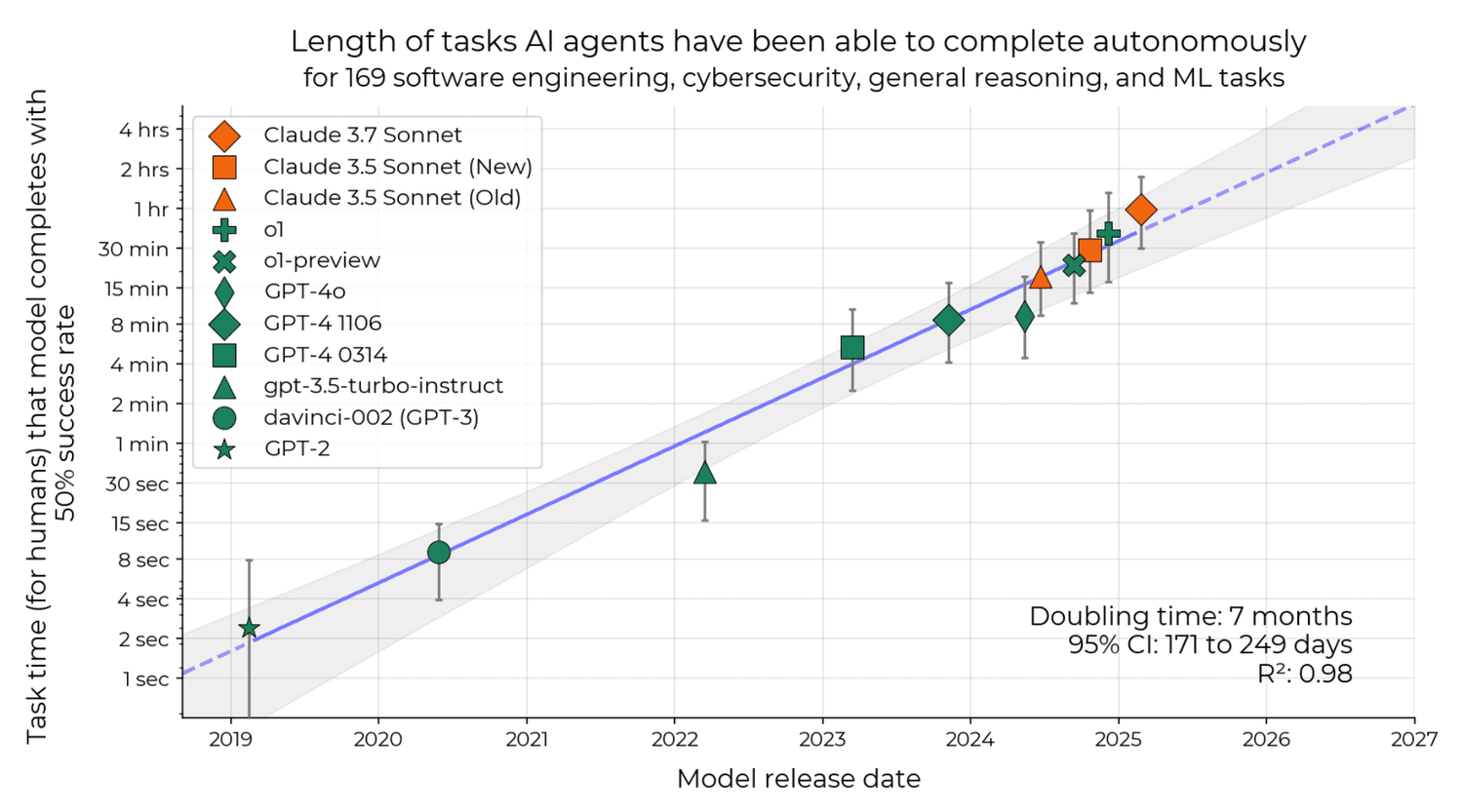
Building on the recent empirical work of Kwa et al. (2025), I show that within their suite of research-engineering tasks the performance of AI agents on longer-duration tasks can be explained by an extremely simple mathematical model — a constant rate of failing during each minute a human would take
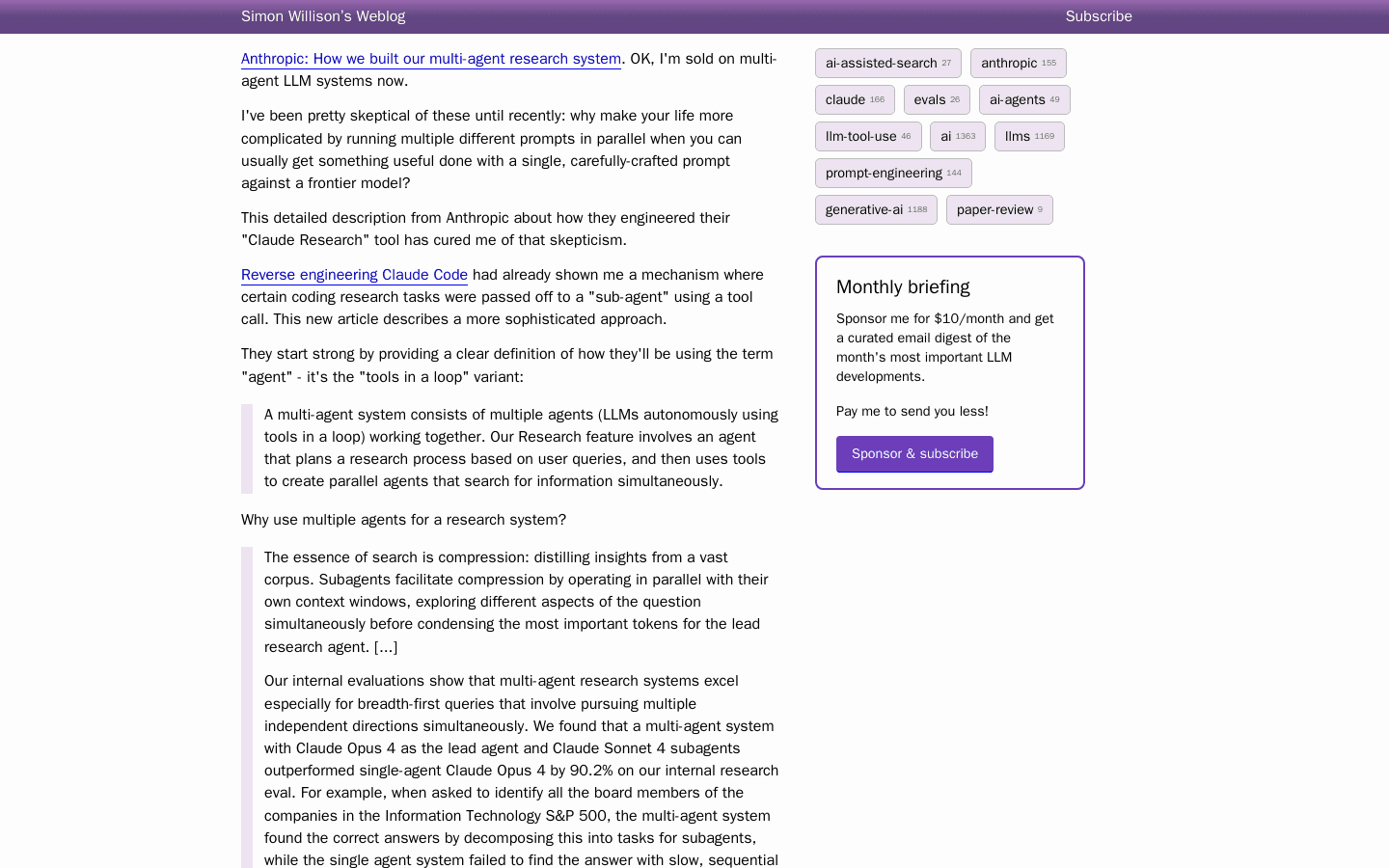
OK, I’m sold on multi-agent LLM systems now. I’ve been pretty skeptical of these until recently: why make your life more complicated by running multiple different prompts in parallel when …
React Scan automatically detects and highlights components that cause performance issues in your React app. Drop it in anywhere – script tag, npm, you name it!
For everything that happens after you deploy. Antimetal is the AI platform to better understand, manage, and automate your infrastructure.
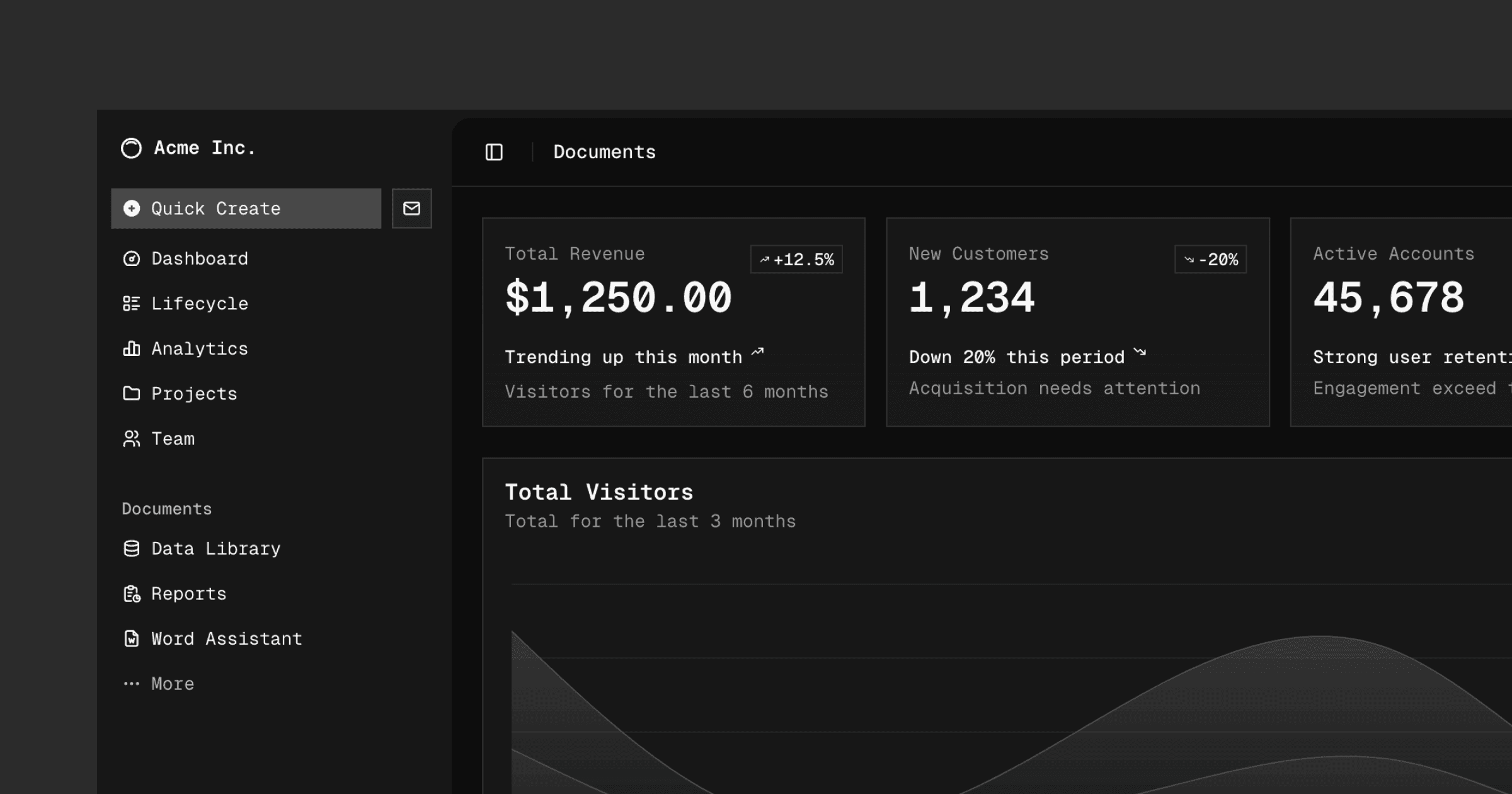
A set of beautifully-designed, accessible components and a code distribution platform. Open Source. Open Code.
The MCP to get the @latest documentation for 9000+ libraries.
Contribute to qckfx/agent-sdk development by creating an account on GitHub.
Programmatically integrate Claude Code into your applications using the SDK.
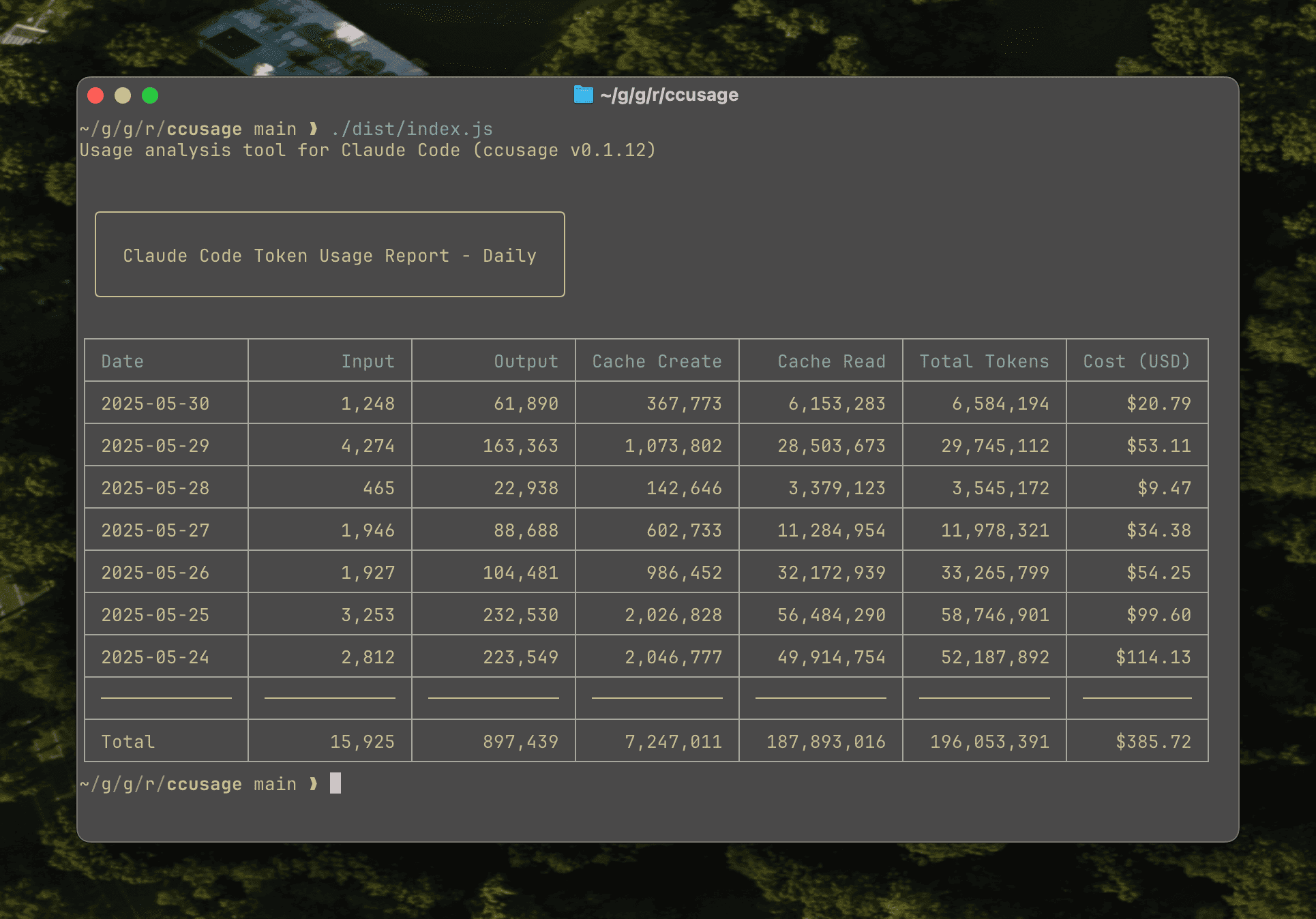
A CLI tool for analyzing Claude Code usage from local JSONL files. - ryoppippi/ccusage
Build web & mobile apps fast with vibe coding and zero code.